
When conversations about cervical pathology come up—whether it’s precancerous lesions or cervical cancer itself—the focus is often on medical facts: screening, diagnosis, treatment, and survival rates. Yet, for many women, the journey is not just physical. It is deeply emotional and social, affecting how they see themselves, how they relate with loved ones, and how they function in society.
Understanding the psychosocial dimension of cervical pathology is crucial for holistic care. It helps us see beyond the test results to the human being navigating fear, stigma, and hope.
Emotional Responses to Diagnosis
Receiving a diagnosis of abnormal cervical cells or cancer can trigger an emotional storm. Anxiety, shock, and fear are common first reactions. For many women, the word “cancer” is immediately linked with death, even if the disease is caught early. Others worry about their fertility, sexual health, or the uncertainty of their future. This emotional weight can be as challenging as the physical illness itself.
Stigma and Misconceptions
Because cervical pathology is linked to human papillomavirus (HPV), stigma often arises. Misconceptions that HPV is purely the result of “promiscuity” can lead to judgment and isolation. In some communities, women may hide their diagnosis for fear of being shamed by family members or partners. This silence can prevent them from seeking timely treatment and support.
Impact on Relationships and Family Life
The ripple effects of cervical pathology often extend into family and marital relationships. Women may struggle with how and when to disclose their diagnosis to a spouse or partner. Intimacy may be affected by both physical treatment side effects and emotional barriers.
Mothers, especially, face deep concerns about their role in the family. Questions like “Who will care for my children if my health worsens?” or “How will my family cope financially?” weigh heavily.
Economic and Social Stressors
Managing cervical pathology is not just about health—it often comes with financial strain. Costs for diagnosis, treatment, and travel to specialized centers can overwhelm families, particularly in low-resource settings. Many women lose workdays due to hospital visits, or even their jobs, further deepening financial pressure. For some, this creates a painful choice between seeking treatment and meeting everyday family needs.
Coping Mechanisms and Resilience
Despite these challenges, many women find resilience. Spirituality and faith often provide comfort, framing the illness as part of a greater journey. Support groups, whether in-person or online, also play a vital role—offering safe spaces to share experiences, reduce isolation, and find hope.
Unfortunately, formal psychological counselling remains rare in many health facilities, though it could make a profound difference in how women cope.
The Role of Healthcare Providers
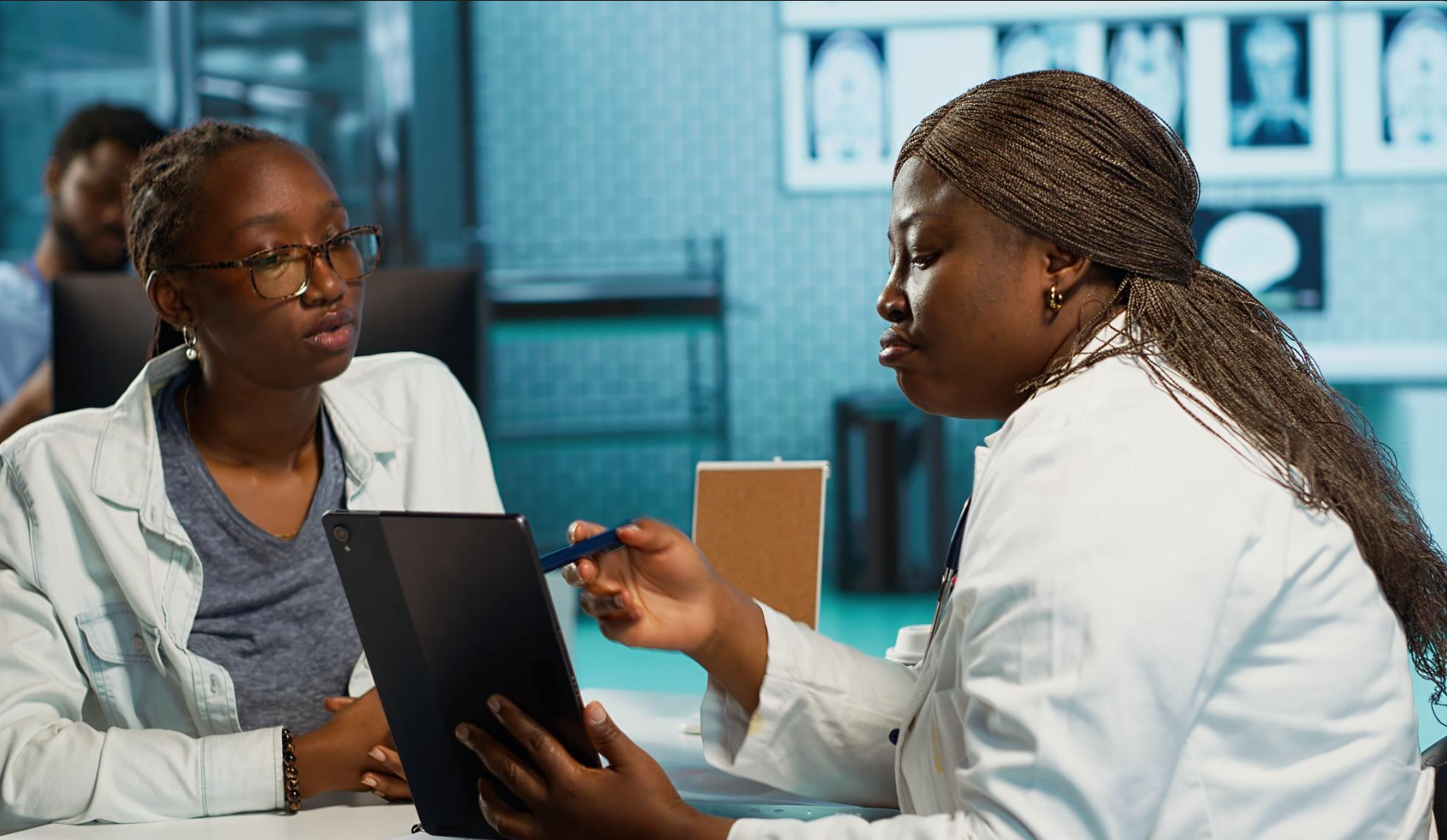
Healthcare providers are not just diagnosticians—they are key players in psychosocial support. The way a diagnosis is communicated matters. Simple shifts in tone, empathy, and reassurance can change how a woman processes her situation.
Providers can integrate counselling, patient education, and emotional support into treatment protocols. Training in trauma-informed care equips them to address not only the disease but also the emotional and social scars it leaves behind.
Recommendations for a Holistic Approach
To fully address the psychosocial dimension of cervical pathology, a shift in care is needed:
- Build support structures: Establish community-based support groups, helplines, and hospital-based counselling.
- Reduce stigma: Work with NGOs and advocacy groups to raise awareness and normalize conversations about cervical health.
- Integrate psychosocial care: Make counselling part of cervical cancer prevention and treatment guidelines.
- Encourage research: More studies are needed on how Nigerian and African women specifically experience the psychosocial impact of cervical disease.
Conclusion
Cervical pathology is not just a biological challenge—it is a deeply human one. Fear, stigma, and social pressures often weigh as heavily as the disease itself. By acknowledging and addressing the psychosocial dimension, we can offer more compassionate, comprehensive care that not only saves lives but also preserves dignity, resilience, and hope.
References
- World Health Organization (WHO). Comprehensive Cervical Cancer Control: A Guide to Essential Practice. 2nd Edition. 2014.
- Mutyaba T, Mirembe F, Sandin S, Weiderpass E. Cervical cancer in Mulago Hospital, Uganda: Burden, risk factors and risk perception among patients. BMC Women’s Health. 2006;6(1):13. doi:10.1186/1472-6874-6-13